Good Days: A Retro Font That Brings Groovy Vibes to Your Designs
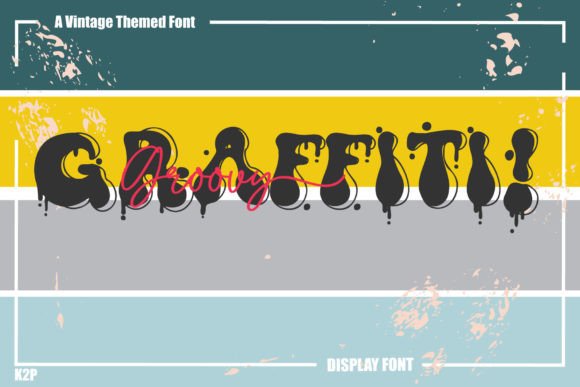
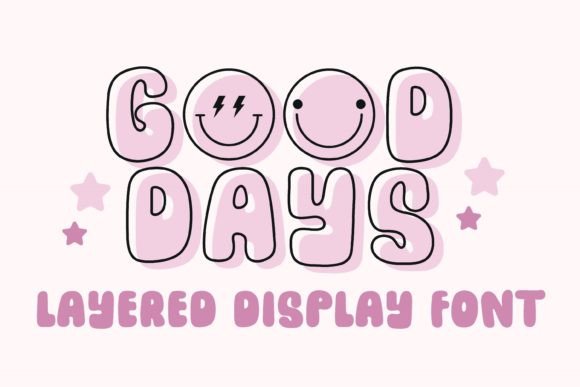
If you're looking for a font that captures the essence of the 1960s and 1970s, Good Days is the perfect choice. This layered display font brings a retro, fun, and groovy aesthetic to any project that needs a touch of nostalgia. Whether you're designing a poster, creating a logo, or working on a personal project, Good Days can add that extra flair that makes your work stand out.
Good Days isn't just about style—it's about storytelling. The font's unique design elements evoke a sense of freedom, creativity, and positivity, making it ideal for projects that aim to inspire or connect with a specific audience. Its layered look gives depth and character, which can be especially effective in visual compositions where texture and dimension matter.
When to Use Good Days
There are countless situations where Good Days can shine. For instance, if you're designing a promotional flyer for a music festival or a local event with a hippie theme, this font can help set the tone. It adds an authentic feel that resonates with those who appreciate vintage aesthetics. Similarly, if you're creating content for a blog or social media page focused on lifestyle, wellness, or mindfulness, Good Days can complement the message with its warm and inviting look.
For entrepreneurs and small business owners, Good Days can be a powerful tool when branding their products or services. Think of a boutique that sells handmade goods, a café with a laid-back vibe, or a yoga studio looking to create a calming atmosphere. Using this font in logos, signage, or marketing materials can help reinforce the brand's identity and attract the right audience.
Freelancers and designers often use Good Days in creative projects that require a distinctive visual identity. Whether it's a book cover, a t-shirt design, or a website header, the font's playful yet professional appearance can elevate the overall look of the work. It's also a great option for digital artists who want to add a retro twist to their illustrations or animations.
Real-World Applications of Good Days
Imagine you're a teacher planning a lesson on the history of music. You could use Good Days to create a visually engaging presentation that captures the spirit of the 1960s. The font would not only make the text more eye-catching but also help students connect with the era in a more meaningful way. Similarly, if you're organizing a themed party or event, using Good Days in invitations or decorations can enhance the overall experience and set the right mood.
Another practical example is when someone is creating a personal portfolio or resume. While most professionals stick to traditional fonts, using Good Days can make their work stand out in a creative field. It shows that they're not afraid to take risks and think outside the box. However, it's important to consider the context—this font might not be suitable for a corporate or formal setting, but it could work well for a designer, artist, or writer looking to showcase their personality.
For bloggers and content creators, Good Days can be a valuable addition to their visual toolkit. It can be used in headlines, captions, or even as part of a brand's visual identity. When paired with the right colors and imagery, the font can help tell a story that feels authentic and relatable. It's particularly effective for blogs that focus on topics like travel, culture, or personal growth, where a friendly and approachable tone is essential.
What to Consider Before Using Good Days
Before diving into using Good Days, it's important to think about the purpose of your project and the audience you're trying to reach. While the font has a strong visual appeal, it may not be the best fit for every situation. For example, if you're designing something that requires clarity and professionalism, such as a legal document or a business report, a simpler font might be more appropriate.
Additionally, consider the readability of the font. While Good Days is designed to be a display font, it may not be the best choice for long blocks of text. It works best in short phrases, headings, or titles where its unique features can be appreciated without compromising legibility. If you're using it in a digital format, make sure it displays correctly across different devices and platforms.
Another factor to keep in mind is the availability of the font. Depending on where you're working, you may need to download or purchase a license to use Good Days. Always check the terms of use to ensure that you're complying with any restrictions or requirements. Some fonts may have limitations on commercial use, so it's important to review these details before incorporating them into your work.
How Good Days Can Benefit Different Users
For hobbyists and DIY enthusiasts, Good Days offers a fun and creative way to personalize their projects. Whether it's a custom T-shirt, a scrapbook, or a home decor item, the font can add a unique touch that reflects their personality. It's a great way to express individuality and bring a retro vibe into everyday life.
Entrepreneurs and marketers can use Good Days to create a memorable brand presence. In a competitive market, standing out is crucial, and a distinctive font can help achieve that. By using Good Days in logos, social media posts, or advertisements, businesses can connect with their target audience in a more authentic and engaging way.
Students and educators can also benefit from using Good Days in their work. It can be a helpful tool for creating presentations, posters, or educational materials that are both informative and visually appealing. The font's nostalgic feel can make learning more enjoyable and relatable, especially when teaching subjects related to history, art, or culture.