Colorful Candy: A Playful Display Font for Creative Expression
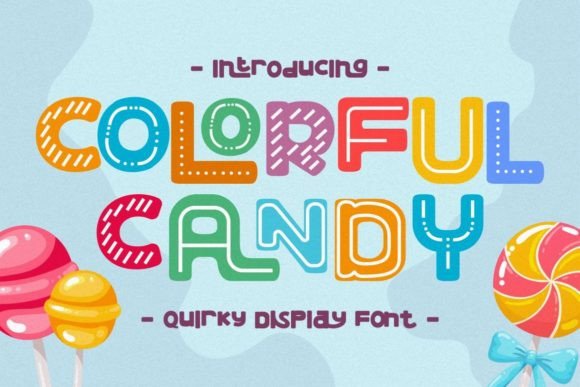
Colorful Candy is a display font that brings a sense of joy and energy to any design project. Its vibrant, hand-drawn style makes it ideal for branding, packaging, and visual communication where a friendly and approachable tone is essential. Unlike more rigid or formal typefaces, Colorful Candy adds a unique personality that can elevate creative concepts and make them more memorable.
One of the standout features of Colorful Candy is its PUA encoding, which allows users to access all of its glyphs and ligatures without needing special software or licensing. This makes it particularly useful for designers who want to explore the full range of typographic possibilities without technical barriers. Whether used in logos, social media graphics, or promotional materials, the font’s expressive character can add visual interest and a sense of fun.
What Makes Colorful Candy Unique?
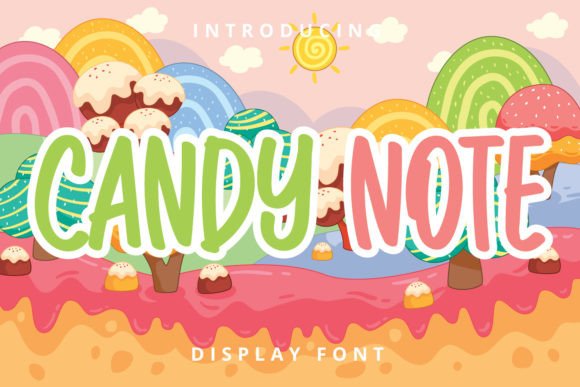
Colorful Candy distinguishes itself through its playful aesthetic and versatility. The font’s rounded shapes, bold strokes, and irregular details give it a handcrafted feel that feels both modern and nostalgic. This combination makes it suitable for a wide range of applications, from children’s products to lifestyle brands looking to convey warmth and accessibility.
Compared to other display fonts, Colorful Candy offers a more organic and less structured appearance. While some fonts prioritize clarity and legibility, this one embraces a more whimsical approach. This tradeoff means that it may not be the best choice for body text or highly detailed layouts, but it excels in short phrases, headings, and visual elements where impact is key.
When to Use Colorful Candy
Colorful Candy is particularly effective in projects that aim to communicate playfulness, creativity, or a lighthearted message. For example, it could be used in a children’s book cover, a marketing campaign for a new line of candy, or a brand identity for a boutique café. Its ability to stand out without overwhelming the viewer makes it a strong choice for eye-catching designs.
However, its distinct style also means that it may not fit every design context. In professional or minimalist environments, a more neutral typeface might be preferable. Designers should consider the tone and audience of their work before deciding to use Colorful Candy. It works best when the goal is to evoke emotion or create a specific mood rather than to convey information clearly and directly.
Comparing Colorful Candy with Similar Fonts
When evaluating display fonts, it’s helpful to compare them based on style, usability, and intended application. Colorful Candy sits in a category of fonts that emphasize visual appeal over strict readability. Other fonts in this space, such as those with similar hand-drawn or cartoonish styles, may offer different levels of customization or compatibility with various design tools.
Some alternatives may provide more control over spacing and kerning, which can be important for professional typography. Others may have a more consistent structure, making them easier to pair with other typefaces. In contrast, Colorful Candy’s irregularities and artistic flair may require more attention during the design process to ensure it aligns with the overall visual language.
For users who prioritize ease of use and broad applicability, there are fonts that offer a balance between creativity and functionality. These might include options with more predictable shapes or better support for multilingual content. However, for those seeking a unique and expressive typeface, Colorful Candy provides a compelling alternative.
Strengths and Limitations of Colorful Candy
The primary strength of Colorful Candy lies in its ability to add character and visual interest to a design. Its distinctive look can help differentiate a brand or project from competitors, making it a valuable tool for creatives looking to stand out. Additionally, its PUA encoding ensures that all glyphs are accessible, which is especially beneficial for users who want to experiment with custom typography.
On the other hand, the font’s informal style may limit its suitability for certain industries or audiences. For instance, in corporate or academic settings, a more traditional typeface might be preferred. Similarly, while the font is visually engaging, it may not be the best option for long-form text due to its lack of clarity and consistency in letterforms.
Best Fit Situations for Colorful Candy
Colorful Candy is most effective in situations where a strong visual identity is needed. This includes branding for startups, event promotions, or creative campaigns that rely on bold and memorable imagery. It can also be useful in digital spaces such as websites, mobile apps, or social media content where a friendly and approachable tone is desired.
Designers working on projects with a youthful or playful theme will find that Colorful Candy complements their vision. It can enhance the overall aesthetic of a design while maintaining a level of professionalism that avoids being overly casual. When paired with complementary elements like bright colors or dynamic layouts, the font can create a cohesive and engaging visual experience.
When to Consider Alternatives
While Colorful Candy has many advantages, there are scenarios where another font might be more appropriate. For example, if the goal is to create a clean and modern look, a sans-serif or serif typeface could be a better fit. Similarly, if the design requires high legibility across multiple languages or formats, a more standardized font might be necessary.
Users who need a font that works well in a variety of contexts may benefit from exploring other options. Some fonts are designed to be more adaptable, offering a wider range of weights, styles, and language support. In these cases, the decision to use Colorful Candy would depend on whether its unique characteristics align with the project’s goals.
Conclusion: Choosing the Right Font for Your Needs
Colorful Candy is a versatile and expressive display font that can enhance a wide range of creative projects. Its playful design and PUA encoding make it an attractive choice for designers looking to add a touch of personality to their work. However, its suitability depends on the specific needs of the project and the audience it targets.
By understanding the strengths and limitations of Colorful Candy, users can make informed decisions about when and how to use it. Whether it’s the right choice or not, the font offers a valuable option for those seeking to create visually engaging and emotionally resonant designs.